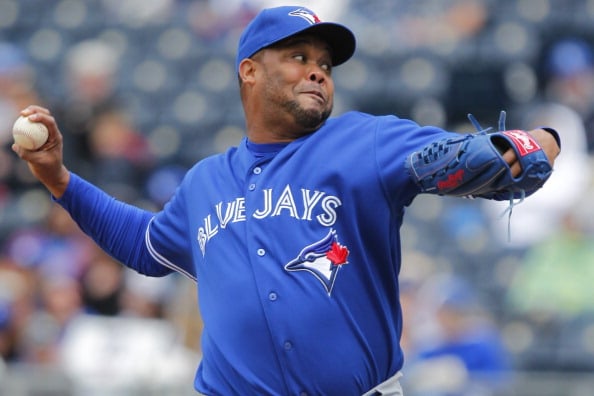
Unpacking Francisco Cordero's Net Worth: An Overview
Delving into the financial landscape of public figures often brings forth more questions than definitive answers. When we investigate the net worth of Francisco Cordero, we embark on a similar journey. While precise, publicly verified figures for many celebrities and athletes remain elusive due to privacy concerns and the dynamic nature of personal finances, we can meticulously analyze the various streams that typically contribute to such wealth. For a figure like Francisco Cordero, whose name resonates with professional sports fans, particularly in baseball, understanding his financial standing involves more than just a simple tally; it requires examining career earnings, endorsements, investments, and post-career endeavors.
The concept of "net worth" itself is a fluid one, representing an individual's total assets minus their total liabilities. For a prominent personality, these assets can range from substantial career salaries and bonuses to real estate, business ventures, and diversified investment portfolios. Liabilities might include mortgages, loans, and other debts. This article aims to provide a comprehensive look at the potential components of Francisco Cordero's net worth, exploring the common pathways to wealth accumulation for high-profile athletes and how these figures are often estimated in the public domain.
The Pillars of an Athlete's Wealth: What Contributes to Francisco Cordero's Net Worth?
For professional athletes, the foundation of their net worth is overwhelmingly built upon their earnings during their active playing careers. Francisco Cordero, widely recognized for his tenure in Major League Baseball (MLB), would have accumulated significant income through player contracts. These contracts often include a base salary, performance bonuses, and other incentives. The length and success of a player's career directly correlate with their total career earnings. For a relief pitcher of Cordero's caliber, who enjoyed a lengthy and effective run in the MLB, these salaries would have been substantial over more than a decade.
- MLB Salaries: Top-tier athletes command multi-million dollar contracts, especially those who consistently perform at an elite level. Cordero's consistent performance as a closer for various teams would have ensured lucrative deals throughout his career.
- Signing Bonuses: Often a significant lump sum paid upon signing a contract, particularly for draft picks or high-demand free agents.
- Performance Incentives: Clauses within contracts that reward players for achieving specific milestones, such as All-Star selections, save totals, or playoff appearances.
- Endorsement Deals: Beyond direct team salaries, athletes frequently augment their income through endorsements. Brands seek to align themselves with popular and successful sports figures to promote their products. For a recognizable player, deals with sports apparel companies, equipment manufacturers, local businesses, or even national brands could add considerably to their annual income. These deals can range from one-off campaigns to long-term partnerships.
- Appearance Fees: Invitations to events, conventions, or charitable functions often come with an appearance fee, especially for well-known sports personalities.
It's crucial to remember that while these figures represent gross income, athletes, like all high earners, face significant taxation, agent fees, and other professional expenses that reduce their take-home pay. However, the sheer scale of earnings for successful MLB players ensures a robust financial foundation.
Beyond the Field: Post-Playing Career Ventures and Financial Growth
A smart athlete understands that their playing career, while lucrative, has a finite lifespan. Therefore, many successful individuals, including Francisco Cordero, strategically plan for life after professional sports. This foresight is critical for sustaining and growing Francisco Cordero's net worth long after the final pitch.
Strategic Investments
One of the most common and effective ways for athletes to preserve and enhance their wealth is through shrewd investments. These can take many forms:
- Real Estate: Investing in residential or commercial properties, either for personal use, rental income, or development, is a popular choice for wealth preservation and growth.
- Stock Market and Bonds: Diversified portfolios managed by financial advisors are standard for high-net-worth individuals, aiming for long-term capital appreciation and stable returns.
- Private Equity and Venture Capital: Some athletes choose to invest in startups or established private businesses, leveraging their capital and sometimes their public profile.
Business Ventures
Many retired athletes transition into business ownership or executive roles, utilizing their brand recognition and accumulated capital. This could include:
- Restaurants or Franchises: A common path for celebrities looking for tangible business involvement.
- Sports-Related Businesses: Coaching, sports academies, broadcasting, or sports agency work leverage their expertise and passion.
- Media and Entertainment: Roles as analysts, commentators, or even actors can provide a new stream of income and maintain public visibility.
- Philanthropic Endeavors: While not direct income, establishing foundations or engaging in significant charity work can sometimes open doors to other opportunities and provide tax benefits.
The ability to transition successfully from an athlete to a savvy businessman or investor is a key determinant in how an athlete's net worth evolves post-retirement. Those who plan effectively often see their wealth continue to grow, rather than diminish.
Estimating Net Worth: Challenges and Common Methodologies
Determining an exact Francisco Cordero net worth figure is fraught with challenges. Unlike publicly traded companies, individuals are not required to disclose their financial statements. The figures often cited by various wealth-tracking websites are, by necessity, estimates based on publicly available information and educated guesses.
Factors Making Estimation Difficult:
- Privacy: Most individuals, especially high-profile ones, guard their financial privacy closely.
- Dynamic Nature: Net worth is not static. It fluctuates daily with market changes, new investments, expenditures, and business performance.
- Undisclosed Deals: Many endorsement contracts, private investments, and business dealings are not made public.
- Expenditures and Debt: While income sources are often visible (e.g., contract values), an individual's spending habits, lifestyle costs, and outstanding debts (mortgages, loans) are rarely transparent. These can significantly impact the actual net worth.
- Taxation and Fees: The exact amount an athlete pays in taxes, agent fees, and other professional expenses is typically private, yet it heavily influences their true take-home pay and investable capital.
How Estimates Are Typically Made:
Financial journalists and wealth aggregators often employ a few key methodologies:
- Public Salary Records: For professional athletes, salary data from leagues (like MLB) is often publicly available. Aggregators sum up career earnings.
- Known Endorsement Deals: Major endorsement contracts are sometimes announced or reported by industry sources.
- Assumed Investment Returns: A portion of estimated income is assumed to be invested in a diversified portfolio, with conservative annual returns applied over time.
- Publicly Known Assets: Purchases of high-value assets like prominent real estate might be public record.
- Deduction of Assumed Expenses: A percentage of gross income is often deducted for taxes, agent fees, and general living expenses, though these are rough estimations.
Given these complexities, any reported figure for Francisco Cordero's net worth should be viewed as an informed estimate, reflecting his significant career earnings and potential for shrewd financial management, rather than a precise audited valuation.
Conclusion
The journey to quantify Francisco Cordero's net worth reveals a complex tapestry woven from substantial athletic salaries, strategic endorsements, and potentially astute post-career investments. While an exact figure remains a private matter, an understanding of the typical financial trajectory for successful professional athletes allows us to appreciate the likely robust financial standing he has achieved. His long and successful career in Major League Baseball undoubtedly provided a strong financial foundation, which, combined with sound financial planning and potential business ventures, would contribute to a significant overall net worth. Ultimately, the story of his wealth is a testament to the rewards of talent, dedication, and smart financial stewardship.
